Integrated townships offer smart urban living by reducing traffic, cutting long commutes, improving work-life balance and promoting sustainable lifestyles.
As the population continues to grow, cities are expanding rapidly. While development brings better resources and opportunities, it also leads to a major problem ‘urban congestion’. Overcrowded roads, increasing traffic jams, longer commute times, and rising pollution have become part of daily life in most urban areas. These issues directly affect people’s work-life balance, mental health, and overall quality of life.
To address these challenges, integrated townships have emerged as a smart and sustainable urban planning solution. They are designed to reduce congestion, improve accessibility, and create a healthier lifestyle for residents.
What Are Integrated Townships?
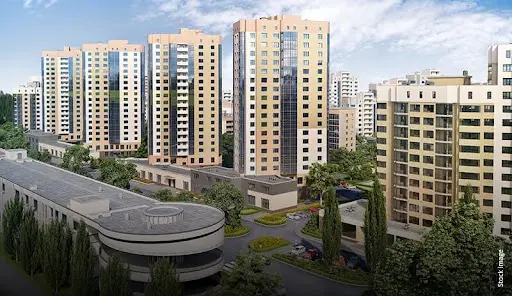
An integrated township can be understood as a self-sufficient community within a city. It brings together residential, commercial, educational, healthcare, and recreational facilities in one well-planned area.
In an integrated township:
- People live, work, study, and relax in the same area
- Offices, schools, hospitals, malls, gyms, and parks are nearby
- Most daily needs can be met within walking or cycling distance
Simply put, it allows residents to access everything conveniently, without depending heavily on long-distance travel.
How integrated township works
Integrated townships are designed using modern urban planning principles that focus on efficiency, sustainability, and livability.
1. Availability of Essential Amenities
These townships include offices, schools, healthcare facilities, shopping areas, parks, and fitness centers within the same locality. This saves time and reduces daily travel stress.
2. Reduced Long Commutes
Since people often live close to their workplaces, the need for long daily commutes decreases significantly. This saves time, energy, and fuel.
3. Walkability and Sustainable Mobility
Integrated townships prioritize walkability and cycling. With most facilities located nearby, residents can walk or cycle instead of using vehicles. This leads to:
- Reduced pollution
- Less traffic
- Safer streets, especially for children and elderly residents
-
4. Better Planning and Traffic Management
Because these townships are planned in advance, internal roads, public spaces, and civic amenities are well-managed. Smart design helps reduce traffic bottlenecks and ensures smoother movement within the township.
How Integrated Townships Improve Work-Life Balance
Urban congestion has severely affected work-life balance in traditional city setups. Integrated townships help restore this balance in several ways.
1. More Personal and Family Time
With shorter commute times, people no longer return home exhausted from traffic. They can:
- Wake up later
- Reach home earlier
- Spend quality time with family and friends
- Pursue hobbies or exercise regularly
-
2. Reduced Stress and Better Mental Health
The absence of long commutes and traffic congestion significantly lowers stress levels. A calmer daily routine contributes to better mental and emotional well-being.
3. Strong Sense of Community
Integrated townships offer shared parks, open spaces, and recreational areas. These spaces encourage social interaction, helping residents build stronger community connections and a healthier social life.
4. Environmental and Social Benefits
Integrated townships also support sustainable urban living:
- Lower vehicle usage reduces carbon emissions
- Green spaces improve air quality
- Efficient infrastructure supports better waste and water management
This makes them not only convenient but also environmentally responsible.
Conclusion
Cities are growing rapidly, but time remains a limited resource. Integrated townships bring homes, offices, and essential services closer together, reducing travel time and daily stress. By minimizing traffic congestion, promoting walkability, and improving access to amenities, they offer a calmer, healthier, and more balanced way of living.
In today’s fast-paced urban world, integrated townships stand out as one of the most effective solutions to urban congestion and poor work-life balance, making them a vital model for future city development.
.png)

.png)

 90% Match